A Valve completa 30 anos hoje. A empresa, que começou como um pequeno estúdio de jogos, tornou-se algo muito mais difícil de definir: desenvolvedora de jogos, loja digital, operadora de plataforma, fabricante de hardware e uma das forças mais influentes nos jogos para PC. O Counter-Strike esteve presente em quase toda essa trajetória. É isso que torna tão interessante a relação entre a Valve e o Counter-Strike. O jogo não foi a primeira criação da Valve; ele surgiu como uma modificação de Half-Life feita pela comunidade. No entanto, ao longo das três décadas seguintes, tornou-se um dos produtos mais importantes da história da empresa e, por fim, a base de uma economia de itens digitais avaliada em bilhões de dólares. A história do Counter-Strike é, portanto, também uma história sobre como a Valve aprendeu a mudar e — talvez mais importante — como mudar sem destruir o que já funcionava.
Antes de Counter-Strike, houve Half-Life.
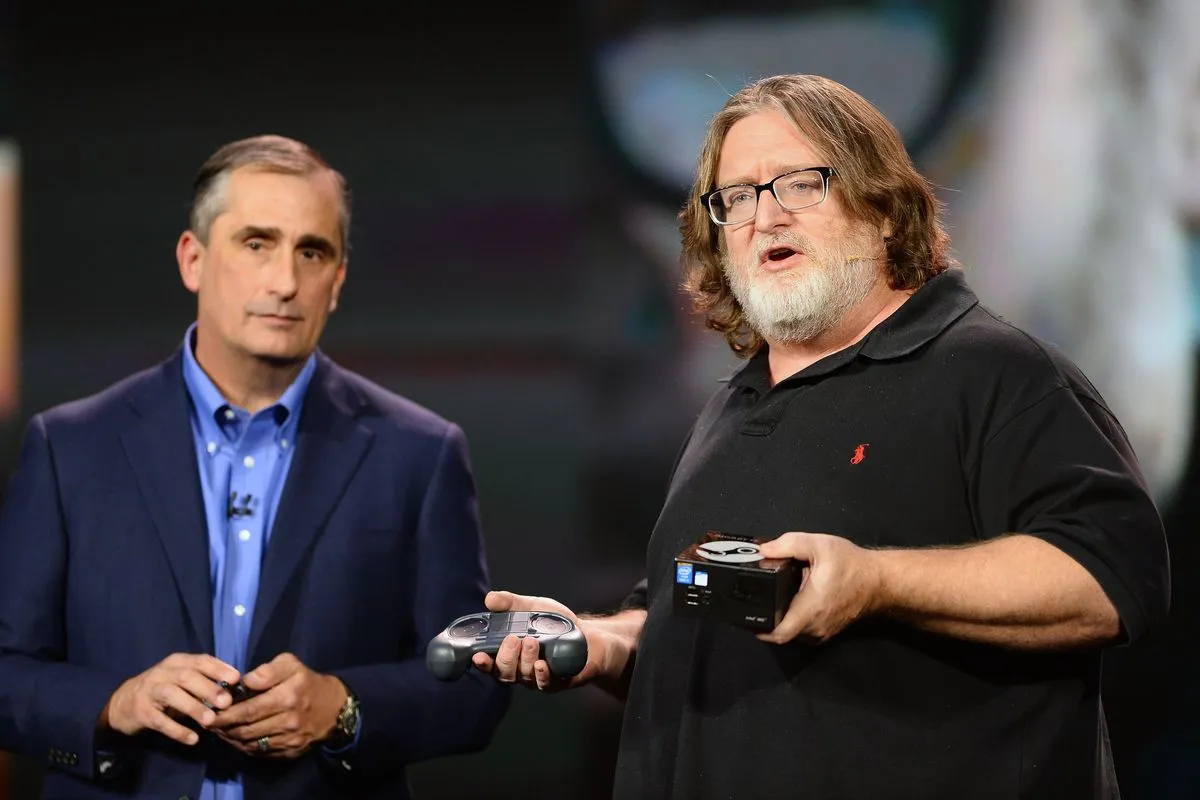
A Valve foi fundada em 1996 por Gabe Newell e Mike Harrington, ambos ex-funcionários da Microsoft. Seu primeiro grande projeto foi Half-Life, lançado em 1998. O jogo era ambicioso para a época. Em vez de tratar o jogo de tiro como uma simples sequência de galerias de tiro, a Valve construiu um mundo focado na narrativa, em eventos roteirizados e na atmosfera; no entanto, uma das decisões mais importantes relacionadas a Half-Life pouco tinha a ver com sua campanha. A Valve forneceu aos jogadores as ferramentas para que eles mesmos criassem conteúdo. Isso abriu uma porta que a Valve jamais poderia ter previsto, pois, em 1999, uma pequena equipe de desenvolvedores começou a criar uma modificação multijogador chamada Counter-Strike.
Um jogo que a Valve não inventou.
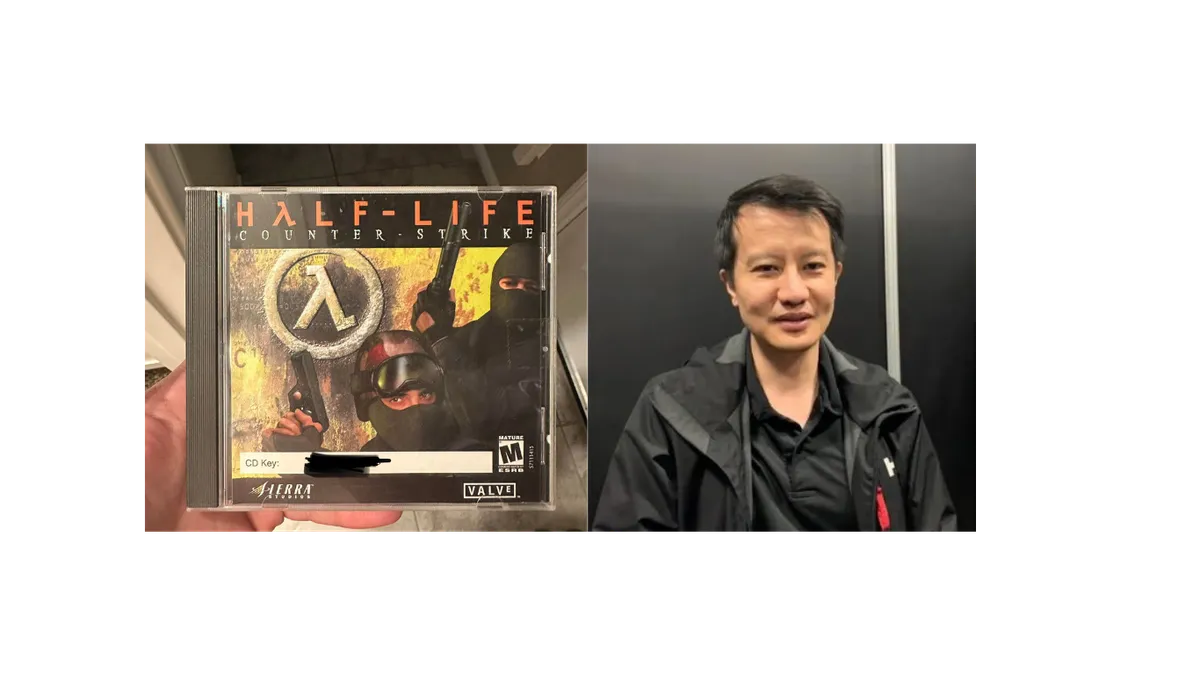
Minh Le e Jess Cliffe criaram Counter-Strike como um mod de Half-Life. Não havia um grande estúdio por trás dele. Nenhuma campanha de marketing massiva. Nenhuma economia bilionária à espera nos bastidores. Havia simplesmente um conceito que parecia diferente da maioria dos jogos de tiro da época. Em vez de correr pelo cenário eliminando tudo o que viam pela frente, os jogadores tinham objetivos. As equipes contavam com recursos limitados. As armas eram importantes. O posicionamento era importante. Cada rodada podia se transformar em uma história completamente diferente, e a comunidade deu continuidade a isso. Jogadores hospedavam servidores. Novos mapas surgiam. As versões mudavam rapidamente. Comunidades se formavam em torno do jogo. Counter-Strike não estava sendo construído inteiramente de cima para baixo; ele crescia de baixo para cima. Com o tempo, a Valve reconheceu o potencial do que tinha em mãos. A empresa adquiriu os direitos e integrou a equipe de Counter-Strike ao ecossistema da Valve. Isso criou um novo desafio: a Valve agora era proprietária de um jogo que já possuía uma identidade forte e milhões de jogadores com opiniões muito firmes sobre qual era essa identidade.
O problema de mudar o Counter-Strike

A Valve aprendeu uma lição importante durante a transição do Counter-Strike 1.6 para o Counter-Strike: Source. Criar um jogo tecnicamente superior não significa, automaticamente, criar um sucessor de maior sucesso. O Source trouxe uma nova engine, gráficos e física aprimorados e uma base técnica modernizada, mas uma parcela significativa da comunidade permaneceu no 1.6. Para a Valve, isso serviu como um lembrete de que o Counter-Strike não era apenas um conjunto de arquivos e mecânicas.
Era um hábito.
Um ambiente competitivo.
Uma comunidade.
E, com o tempo, uma cultura.
É possível substituir uma engine. Não se pode simplesmente substituir o vínculo que as pessoas têm com um jogo. Essa tensão entre inovação e preservação se tornaria um dos temas centrais da história do Counter-Strike.
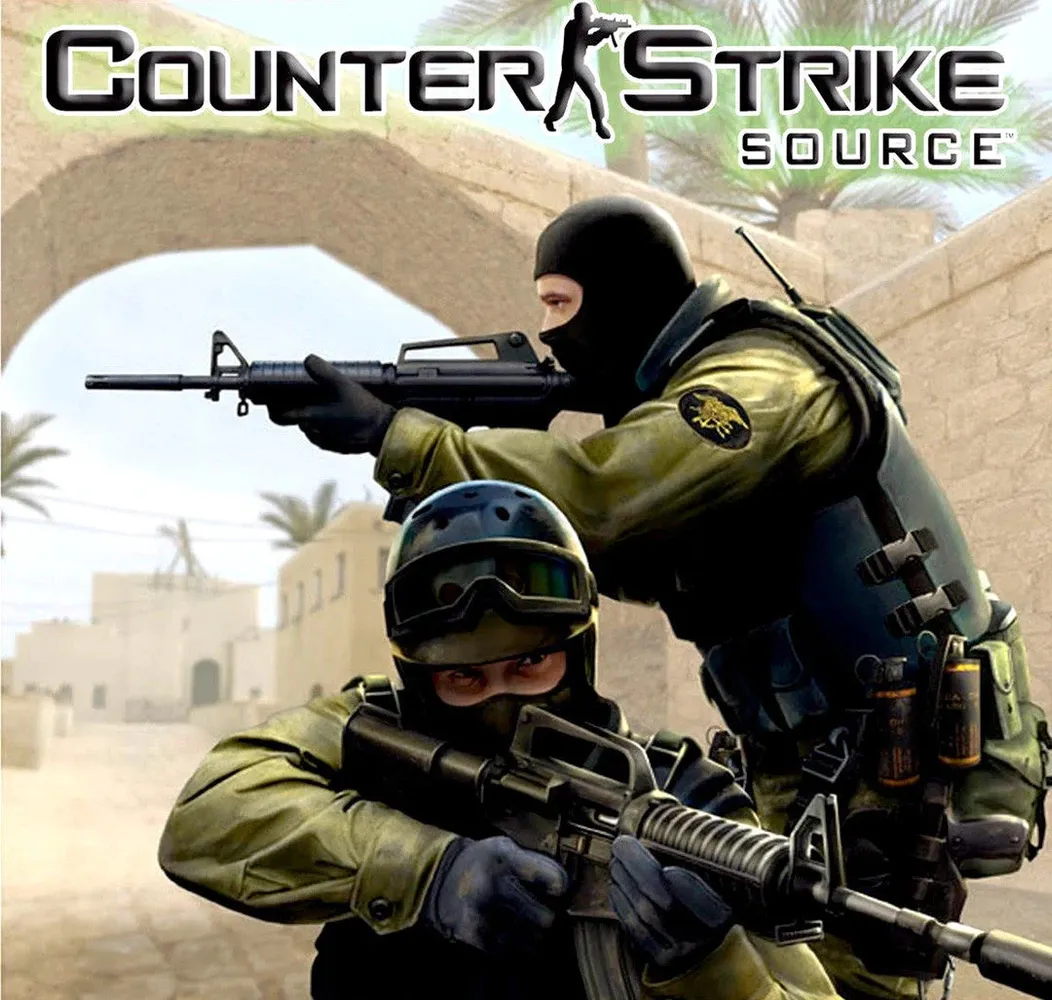
Counter-Strike ajudou a construir o Steam.
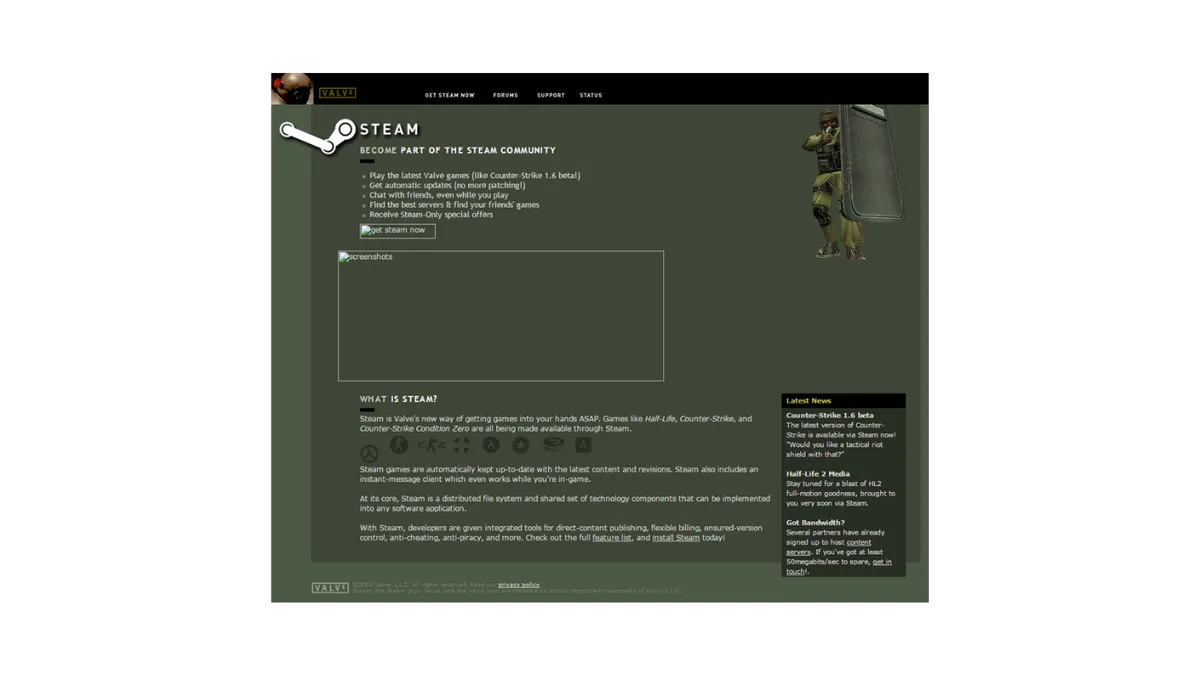
Enquanto o Counter-Strike crescia, a Valve estava construindo algo muito maior. O Steam foi lançado em 2003 como uma plataforma de distribuição digital. Naquela época, convencer os jogadores de PC a instalar mais um software não era algo que garantisse sucesso imediato. O Counter-Strike ajudou a mudar isso. Milhões de jogadores já queriam ter acesso ao jogo, às suas atualizações e aos seus servidores. O Steam tornou-se, gradualmente, parte dessa experiência. A relação era mutuamente benéfica. O Counter-Strike atraía usuários para o Steam. O Steam proporcionava à Valve uma infraestrutura por meio da qual ela podia distribuir atualizações, gerenciar comunidades e, futuramente, criar sistemas totalmente novos em torno de seus jogos. É nesse ponto que a história da Valve começa a ir além da simples criação de jogos. A Valve estava construindo uma plataforma, e plataformas funcionam de maneira diferente das editoras de jogos tradicionais. Uma vez estabelecida a infraestrutura, é possível continuar adicionando novas camadas sobre ela.
2013 mudou tudo.
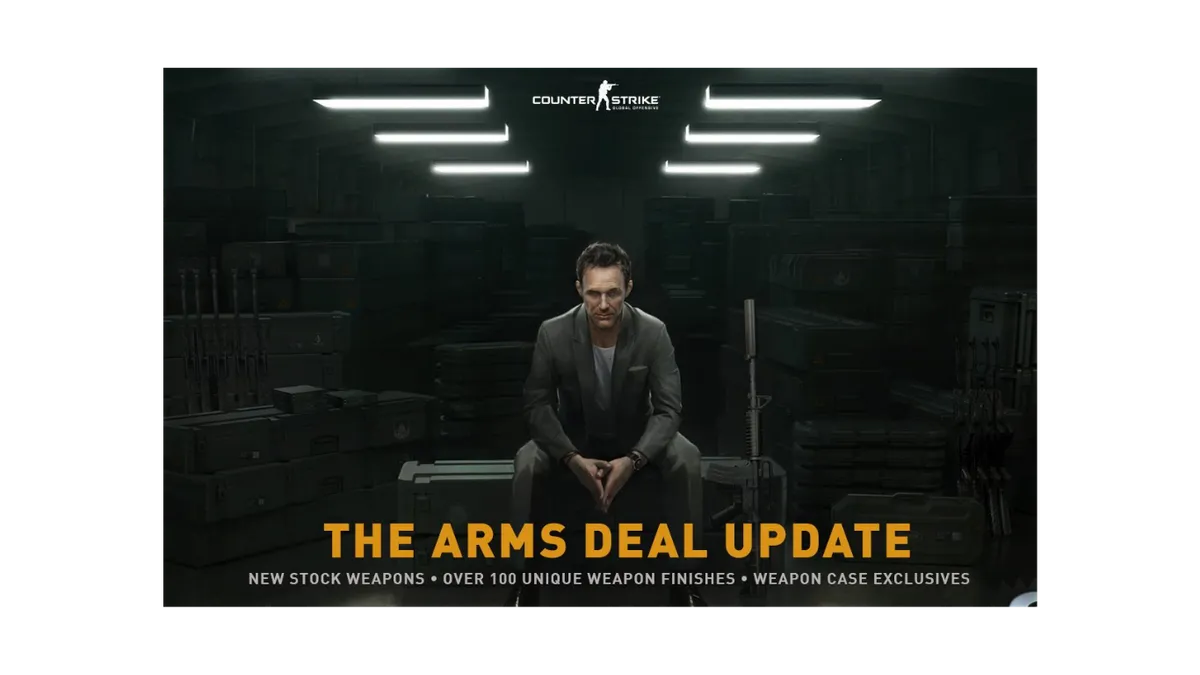
No caso de Counter-Strike, uma dessas camadas surgiu em 2013. A atualização Arms Deal introduziu acabamentos de armas — as skins — que acabariam se tornando uma das características definidoras da economia do jogo. A princípio, o conceito parecia simples. Os jogadores podiam obter itens cosméticos, usá-los nas partidas e negociá-los. Alguns podiam ser vendidos no Mercado da Comunidade Steam, mas algo muito maior estava acontecendo nos bastidores: a Valve havia criado objetos digitais com propriedades que itens tradicionais de jogos raramente possuíam.
Uma skin podia ser de propriedade de alguém.
Podia ser transferida.
Podia ser negociada.
E, o mais importante: podia ser rara.
O jogador não possuía mais simplesmente "uma AK-47". Ele podia possuir uma skin específica, com um estado de conservação, padrão, valor de float, adesivos e histórico próprios. A arma continuava sendo um item cosmético, mas o objeto em si havia se tornado economicamente interessante.
Quando Itens Cosméticos se Tornam um Mercado
É aqui que o Counter-Strike deixa de ser apenas um jogo e passa a ser algo mais próximo de um mercado. O valor de uma skin não é determinado pela sua utilidade em uma partida. Uma skin de US$ 5.000 não atira melhor do que uma de US$ 5. Seu valor deriva de tudo o que a cerca.
Raridade.
Demanda.
Oferta.
Condição.
Padrão.
Idade.
Popularidade.
Disponibilidade.
E, às vezes, a história associada ao item. Isso mudou a relação entre jogadores e bens virtuais. Na maioria dos jogos, um item é valioso porque a desenvolvedora diz que ele é valioso. No Counter-Strike, o mercado passou, cada vez mais, a determinar o preço por conta própria. A Valve criou a infraestrutura. A comunidade criou a liquidez, e a interação entre ambas gerou algo que cresceu muito além do recurso original.
A Valve não precisava projetar toda a economia.
Talvez essa seja a parte mais fascinante. A Valve não precisou se sentar em 2013 e projetar cada aspecto do mercado que existe hoje.
Ela criou um sistema com alguns ingredientes básicos:
propriedade digital, escassez, negociação e demanda.
O restante surgiu naturalmente. Mais jogadores geraram mais transações. Mais transações geraram mais dados de preços. Mais dados de preços criaram oportunidades para negociadores e analistas. À medida que o valor de certos itens aumentava, o colecionismo ganhava seriedade. As negociações tornavam-se mais sofisticadas. Surgiram marketplaces de terceiros. Ferramentas de acompanhamento de preços tornaram-se úteis. Gráficos históricos passaram a ser importantes. As pessoas começaram a fazer perguntas que soavam menos como questões de videogame e mais como questões de mercado.
Por que o preço desta skin variou 30% nesta semana?
Quantas unidades estão realmente listadas?
Qual é o volume de oferta entrando no mercado?
Essa variação de preço é impulsionada pela demanda ou pela falta de vendedores?
O que acontece quando uma caixa para de ser distribuída como drop?
Nesse ponto, o Counter-Strike havia desenvolvido algo incomum para um videogame:
uma economia que exigia informações para ser compreendida.
De jogadores a colecionadores, negociantes e investidores
A economia de Counter-Strike criou diferentes tipos de participantes. Alguns jogadores queriam apenas uma faca com um visual atraente. Alguns colecionavam itens de coleções específicas. Alguns negociavam skins visando ao lucro. Alguns focavam em padrões raros. Alguns compravam itens acreditando que os preços subiriam. Outros valorizavam o significado histórico — caixas antigas, coleções descontinuadas, adesivos de torneios ou combinações raras que jamais poderiam ser recriadas. Assim, o mesmo objeto digital podia significar coisas completamente diferentes para pessoas distintas. Para um jogador, era um item cosmético. Para outro, um item de colecionador. Para um terceiro, representava valor de inventário. Essa ambiguidade é uma das razões pelas quais o mercado cresceu tanto.
A Valve mudou novamente. O Counter-Strike manteve-se familiar.
Enquanto a economia se desenvolvia, a própria Valve continuava a evoluir. O Steam tornou-se uma das plataformas de distribuição dominantes nos jogos para PC. A empresa experimentou com conteúdo criado pelos usuários, hardware, realidade virtual e novas formas de distribuir jogos. A Valve deixou de parecer uma editora tradicional, mas Counter-Strike permaneceu notavelmente reconhecível.
Os gráficos mudaram.
Os motores gráficos mudaram.
As interfaces mudaram.
O modelo de negócios mudou.
O ecossistema ao redor mudou.
A ideia central, não.
Duas equipes.
Um número reduzido de rodadas.
Recursos limitados.
Armas que fazem a diferença.
Mapas que os jogadores conhecem de cor.
E uma estrutura competitiva que pode ser compreendida em segundos, mas leva anos para ser dominada. Essa estabilidade proporcionou à Valve algo extremamente valioso: uma base. A empresa podia mudar tudo ao redor de Counter-Strike sem precisar reinventar a razão pela qual as pessoas o jogavam.
Então veio o CS2
Em 2023, a Valve realizou talvez a maior transição técnica da história de Counter-Strike. O Counter-Strike 2 migrou o jogo para a engine Source 2. Mais uma vez, a tecnologia mudou, mas desta vez havia outro fator importante: a economia havia se tornado parte da identidade do jogo. Os jogadores não estavam simplesmente migrando de uma versão de um jogo de tiro para outra; eles estavam levando consigo anos de propriedade.
Suas skins.
Suas coleções.
Seus inventários.
Sua história.
Portanto, a transição não se tratava apenas de preservar a jogabilidade. Tratava-se de preservar um ecossistema econômico. A Valve transferiu o inventário existente para o CS2, tornando, na prática, o mercado parte da continuidade do jogo. Isso diz muito sobre a importância que as skins haviam adquirido.
A economia tornou-se parte do produto.
Houve uma época em que o Counter-Strike podia ser descrito de forma muito simples: é um jogo de tiro competitivo.
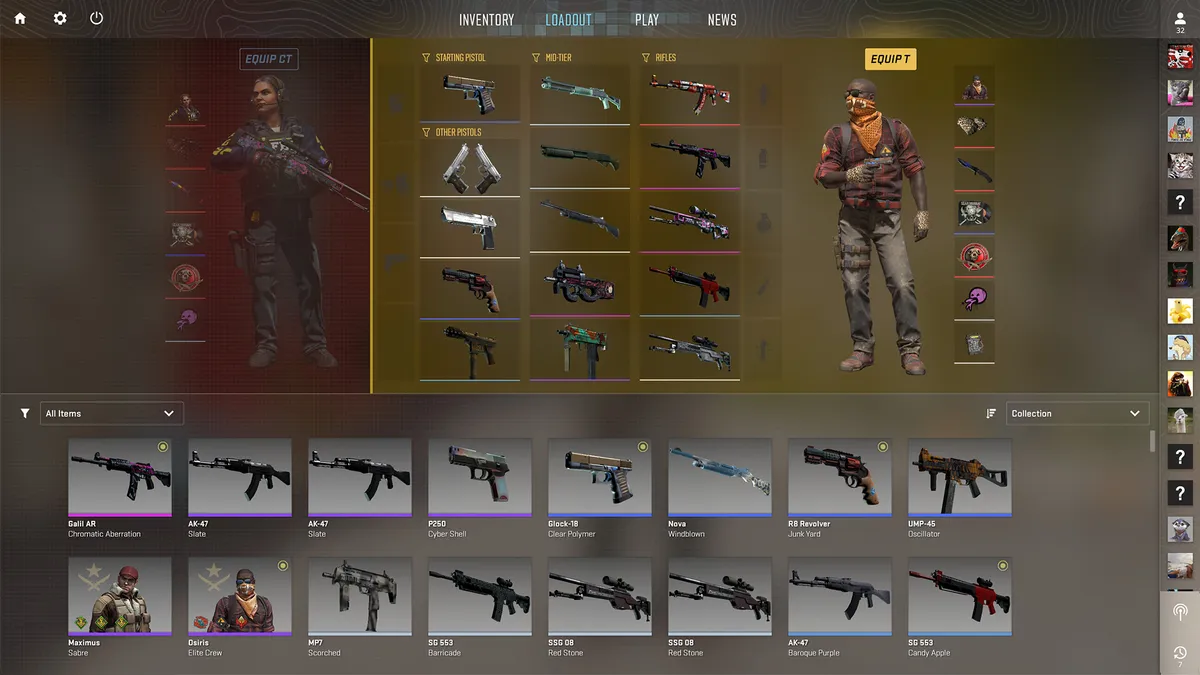
Hoje, essa descrição está incompleta. Counter-Strike é um jogo de tiro competitivo cercado por um vasto ecossistema digital. Os jogadores não interagem apenas com o jogo; eles interagem com inventários, caixas, coleções, adesivos, mercados, sistemas de troca (*trade-ups*) e preços, e cada nova atualização da Valve pode afetar esses sistemas. Uma nova caixa pode aumentar a oferta. Uma caixa descontinuada pode alterar a escassez. Uma nova coleção pode redirecionar a demanda. Um torneio pode criar uma nova geração de adesivos. Uma tendência de criação de itens (*crafting*) pode consumir milhares de unidades. Uma mudança no sistema de itens pode alterar a dinâmica econômica de categorias inteiras. O jogo e o mercado não estão mais totalmente separados; eles influenciam um ao outro.
A história mais importante é sobre a Valve.
É isso que torna a trajetória de 30 anos da Valve tão interessante. A empresa não seguiu uma linha reta. Ela passou do desenvolvimento de jogos para a distribuição digital; da distribuição digital para a economia de plataformas; das plataformas para o conteúdo gerado pelo usuário; dos jogos para economias virtuais — e Counter-Strike evoluiu paralelamente a cada uma dessas mudanças. O jogo original era um mod de Half-Life. Depois, tornou-se um fenômeno competitivo independente. Em seguida, uma das razões pelas quais as pessoas usavam o Steam. Depois, uma plataforma para conteúdo gerado pelo usuário. Mais tarde, um jogo com inventários digitais persistentes. Depois, um mercado e, por fim, uma economia global construída em torno de itens virtuais. Talvez o elemento mais valioso criado pela Valve não tenha sido nenhuma mecânica de jogo específica, mas sim a infraestrutura que permitiu às comunidades construir economias em torno de seus jogos.
Trinta anos depois
A Valve completa agora 30 anos.
O Counter-Strike tem quase a mesma idade da própria empresa. Ambos passaram por mudanças drásticas, mas de formas diferentes. A Valve continuou reinventando o seu negócio. O Counter-Strike continuou aperfeiçoando a sua essência. Essa combinação revelou-se incrivelmente poderosa. Um jogo estável garantiu à Valve um público fiel. Uma plataforma em constante evolução ofereceu a esse público novas formas de interagir com o jogo, e a economia de skins tornou-se um dos resultados mais inesperados. O que começou como uma atualização estética acabou gerando colecionadores, negociantes, mercados, índices de preços e bilhões de dólares em valor digital estimado. É por isso que a história das skins de Counter-Strike não pode ser dissociada da história da Valve. O mercado de skins não foi um experimento isolado.
Foi o produto de três décadas de transformação:
de jogos para plataformas, de plataformas para ecossistemas e de ecossistemas para economias.
O Counter-Strike surgiu como uma criação de jogadores dentro de Half-Life. Trinta anos depois, ele ocupa o centro de um dos mercados digitais mais singulares do mundo dos games e a Valve, de alguma forma, continua evoluindo ao seu redor.