Armory это больше, чем просто новый контент.
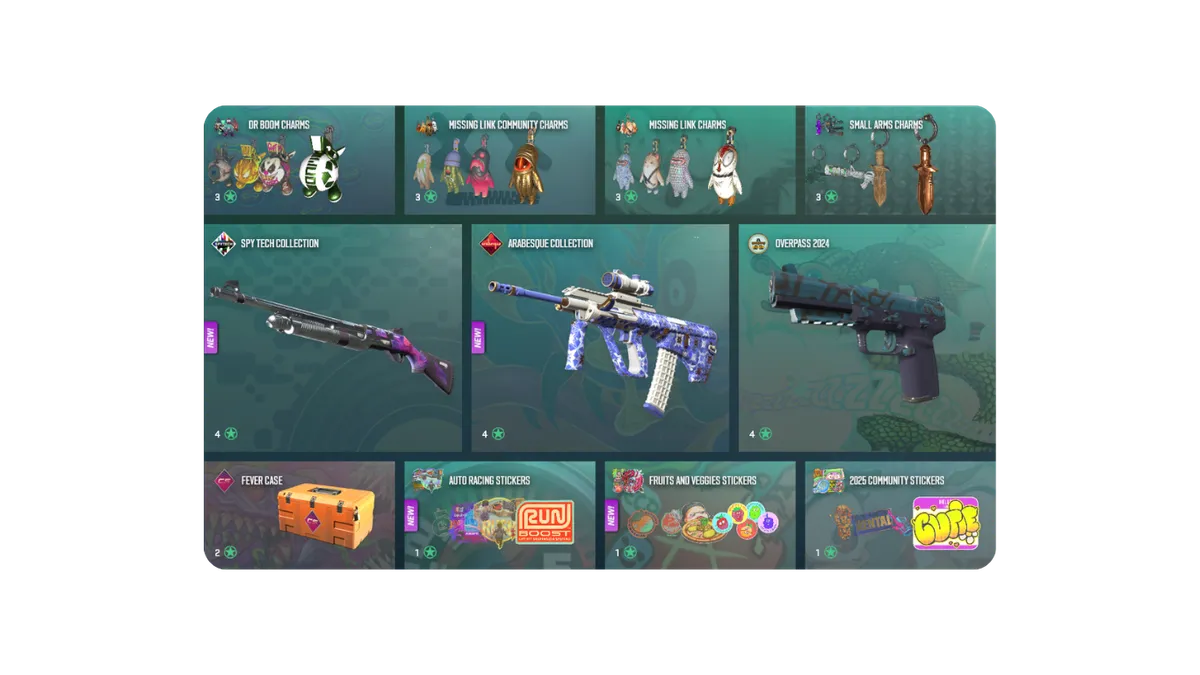
Для многих игроков ротация Оружейной просто означает новые коллекции, новые скины и еще один повод потратить звезды. Однако для торговцев и инвесторов это одно из крупнейших экономических событий во всей экосистеме CS2. Каждая ротация меняет то, как предметы поступают на рынок, какие коллекции снимаются с производства, куда переключается внимание инвесторов и как меняется предложение в течение следующих месяцев. Понимание этих циклов имеет важное значение, если вы хотите принимать более разумные инвестиционные решения, а не просто реагировать на движения рынка.
Предложение прекращает расти
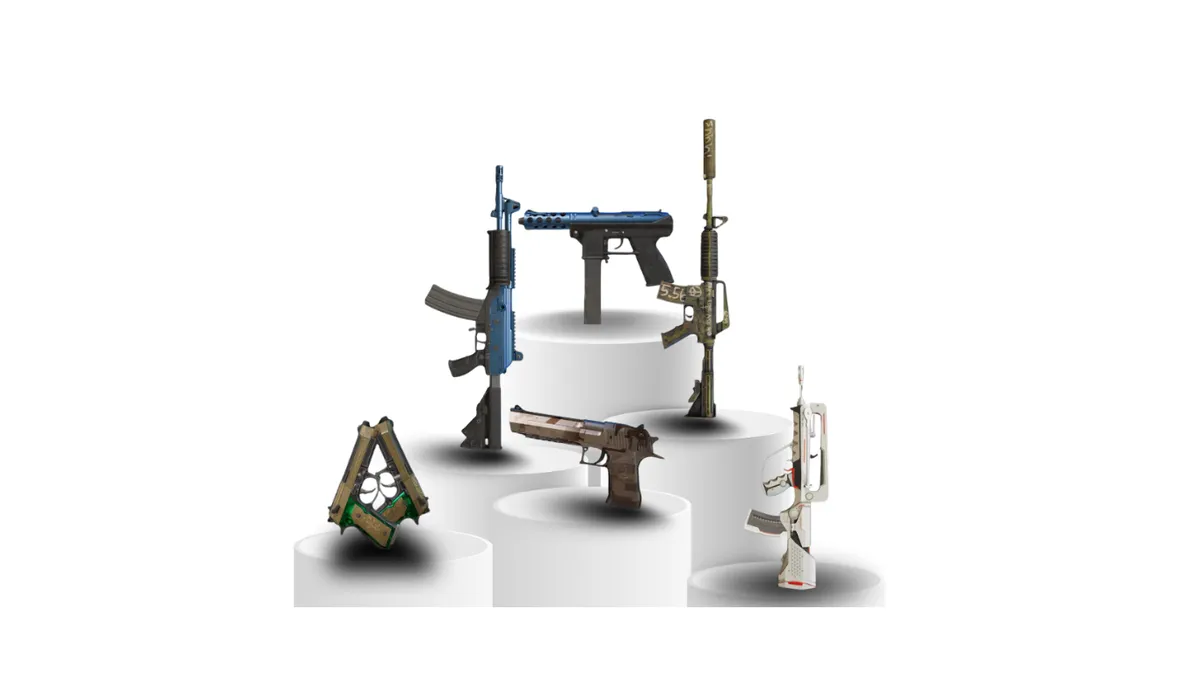
Самый существенный экономический эффект от ротации Оружейной прост:
Предметы из удалённых коллекций перестают появляться в игре. В отличие от скинов для кейсов, которые продолжают выпадать годами, коллекции Оружейной существуют только до тех пор, пока они доступны в Оружейной.
Как только Valve их убирает из игры:
На них нельзя потратить новые звёзды;
Новые скины не создаются;
Общее предложение становится фиксированным.
С этого момента каждый контракт на обмен, каждый крафт коллекции и каждый удалённый инвентарь постепенно уменьшают оставшееся предложение. Дефицит начинает работать в пользу инвесторов.
Но цены не всегда растут сразу.
Многие новые инвесторы каждый раз ожидают одного и того же сценария:
Коллекция удалена → цены мгновенно растут.

В реальности все обычно гораздо сложнее. В последние недели перед ротацией тысячи игроков часто специально фармят звезды, чтобы открыть уходящие коллекции. Это создает огромную волну нового предложения, поступающего на рынок непосредственно перед остановкой производства. В результате цены часто падают сразу после ротации, потому что продавцов больше, чем покупателей. Только после того, как избыток товара постепенно поглощается, долгосрочный дефицит начинает влиять на цены. Терпение часто важнее, чем время.
Внимание инвесторов резко меняется за одну ночь
Ротация затрагивает не только снятые с производства коллекции. Она также меняет потоки денежных средств.
После каждого обновления инвесторы обычно делятся на несколько групп:
покупатели, нацеленные на недавно снятые с производства коллекции;
игроки, открывающие новые коллекции;
трейдеры, перепродающие недавно выпущенные скины;
коллекционеры, охотящиеся за редкими узорами и предметами с низким флоатом.
Это перераспределение капитала часто создает временные ценовые неэффективности в различных сегментах рынка. Цены на предметы, не связанные с обновлением, могут даже упасть просто потому, что инвесторы переводят свои средства в другие места.
Изменения в экономике контракта обмена
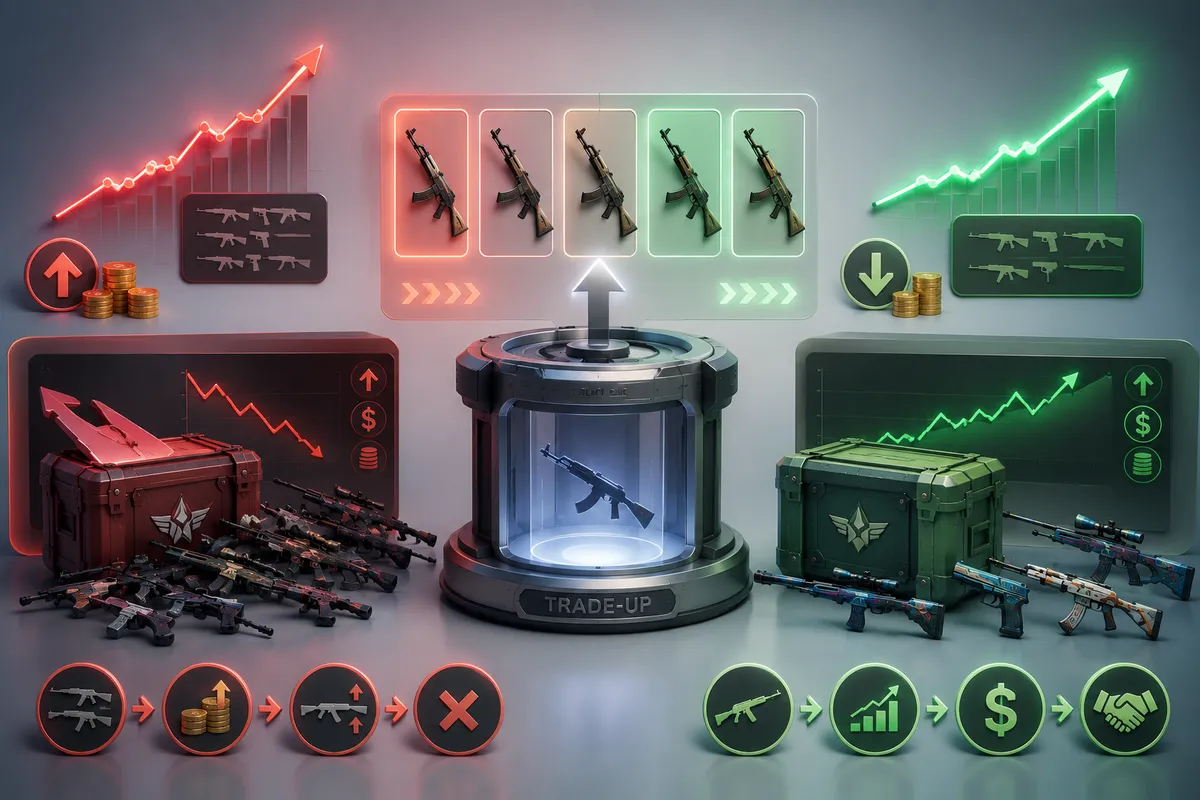
Смена коллекций в арсенале также меняет рынок обмена.
Когда коллекция снимается с производства:
Снаряжение становится более дефицитным;
Стоимость обмена увеличивается;
Снаряжение становится дороже;
Прибыльные контракты постепенно исчезают.
Некоторые контракты, которые были прибыльными до смены коллекции, в конечном итоге становятся финансово невыгодными. Тем временем, новые коллекции создают новые возможности по мере стабилизации цен. Профессиональные трейдеры постоянно отслеживают эти изменения, поскольку прибыльность обмена может резко измениться в течение нескольких дней.
Изменения коснулись и ликвидности...
Меняется не только предложение. Меняется и ликвидность. Новые коллекции обычно пользуются огромным спросом в первые недели после снятия с продажи.
После снятия с продажи:
Появляется меньше новых объявлений;
Объем торгов снижается;
Разница между покупателями и продавцами часто увеличивается.
Цена редких скинов может продолжать расти, в то время как их становится гораздо сложнее быстро продать. Поэтому опытные инвесторы оценивают не только цену, но и то, насколько легко предмет можно продать.
Недавние ротации арсенала это прекрасно показали
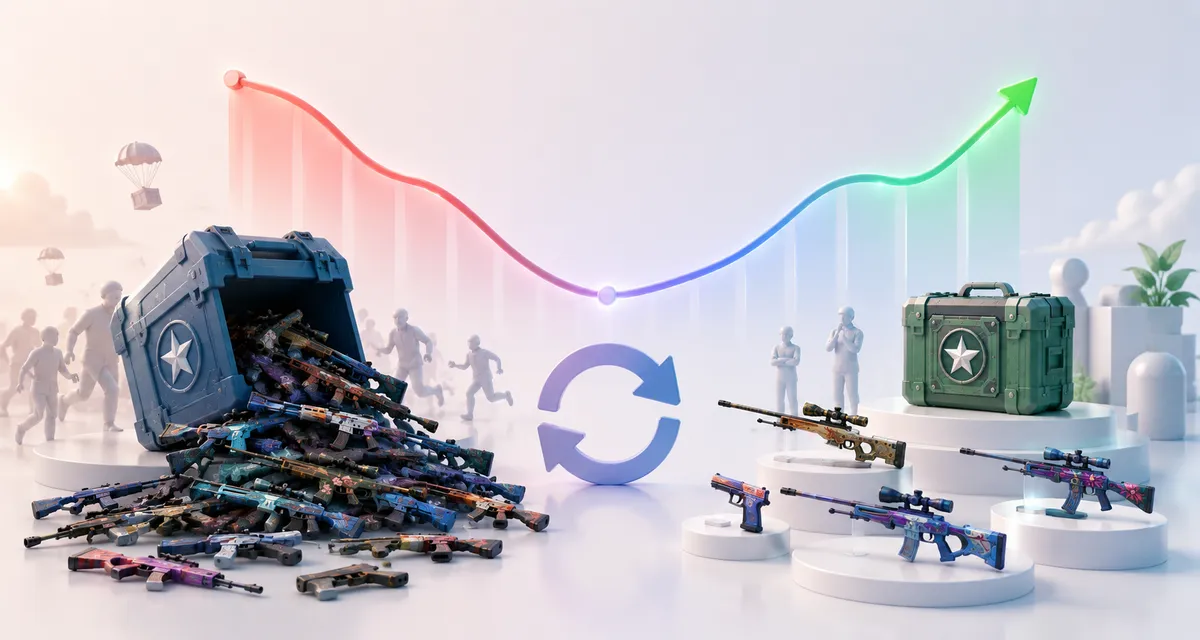
Недавние обновления Armory показали, что снятые с производства коллекции не всегда приносят немедленную прибыль. Многие инвесторы ожидали резкого роста цен, как только коллекции исчезнут из Armory. Вместо этого, интенсивная добыча перед ротацией наводнила рынок новыми предложениями, что привело к снижению цен на несколько коллекций, прежде чем они постепенно стабилизировались. В то же время, новые коллекции пережили свои собственные циклы высокой волатильности, быстро меняющейся рентабельности инвестиций и меняющихся настроений инвесторов. Рынок в очередной раз доказал, что психология может иметь такое же значение, как и дефицит.
Почему долгосрочные инвесторы так внимательно следят за ротацией активов?
Для долгосрочных инвесторов ротация оружейных складов одно из важнейших событий года.
Она влияет на:
Будущее предложение;
Прибыльность обмена на более дорогие предметы;
Редкость коллекций;
Ликвидность рынка;
Поведение инвесторов;
Распределение капитала по всей экономике CS2.
Каждая ротация фактически перестраивает части рынка и создает новые возможности для трейдеров, которые понимают, как работают эти циклы. Наибольшую выгоду обычно получают не те, кто реагирует первыми, а те, кто уже понимает, что обычно происходит после того, как первоначальный ажиотаж утихает.