Whenever real money enters a market, people start looking for an edge. The CS2 economy is no exception. If you're buying skins as investments, understanding market manipulation is just as important as understanding supply and demand. The difference between a good investment and becoming someone else's exit liquidity often comes down to recognizing what's driving a price move.
The Classic Pump and Dump
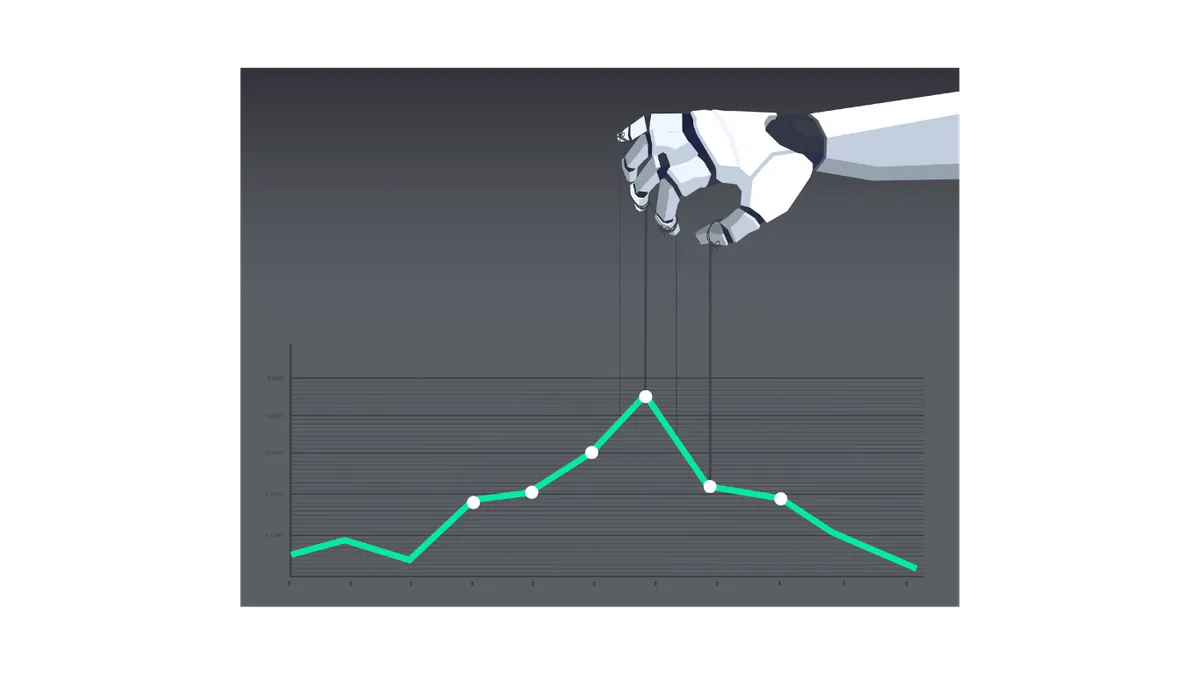
The most common playbook is the classic pump and dump.A trader or group of investors accumulates a large position in a particular item while prices are still relatively low. Once enough supply has been acquired, they begin creating attention around it. This can happen through social media posts, Discord communities, YouTube videos, Reddit discussions, or influencer coverage. New buyers see the chart moving up, assume something important is happening, and rush in before "it's too late." Demand increases, prices climb, and momentum attracts even more buyers. Once enough buyers arrive, the people who started the move begin cashing out. Supply floods back onto the market, prices drop, and late buyers are left holding losses. This strategy works best on low-liquidity items where relatively little capital can have a significant impact on price.
Creating False Price Signals
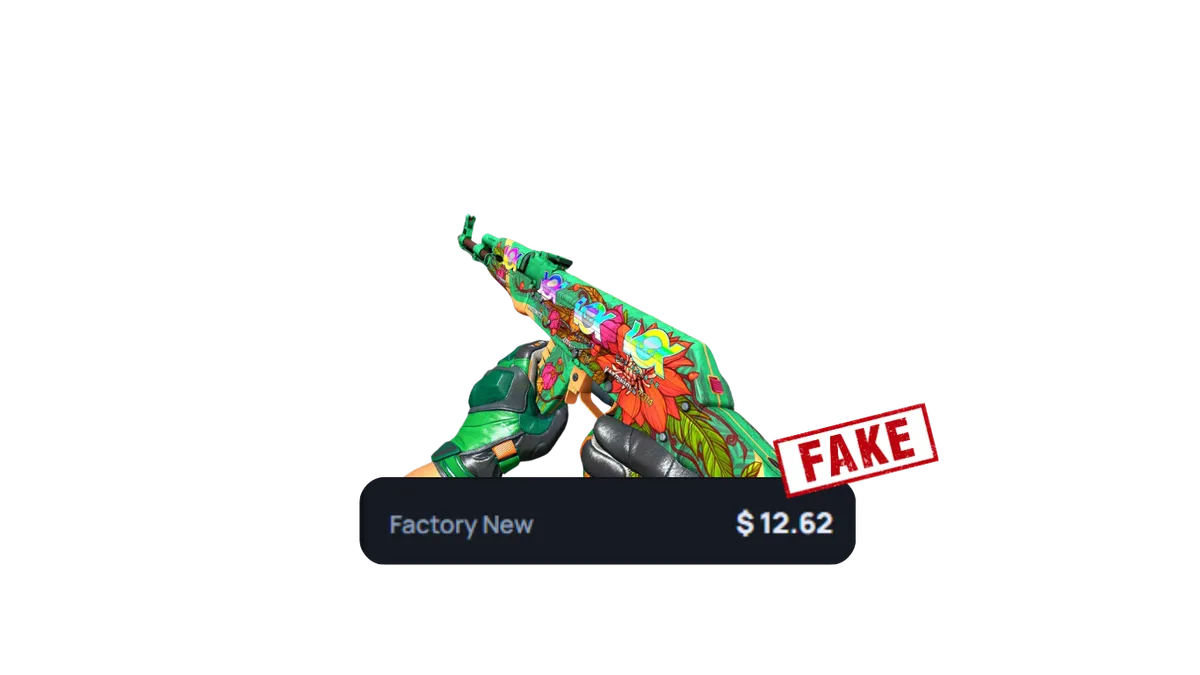
Not every manipulation requires aggressive buying. Another common tactic is creating artificial price anchors. For example: a rare sticker or low-float skin may suddenly appear listed at three to five times its actual market value. Less sophisticated price trackers may interpret these listings as legitimate market activity, creating the illusion that prices are rapidly increasing. This is why professional analytics platforms filter outliers instead of blindly averaging every listing they see. Looking at raw listings without proper filtering can make an item appear far more valuable than buyers are actually willing to pay.
Making an Item Look Rarer Than It Really Is
Scarcity drives value in every collectible market. A group of traders can purchase a large percentage of available listings, dramatically reducing visible supply. To outside observers, it looks like demand is exploding. In reality, nothing may have changed except who owns the inventory. This tactic is especially common with discontinued collections, niche stickers, older cases, and unique float ranges. The thinner the market, the easier it is to move prices with relatively little capital.
The New Sticker Economy
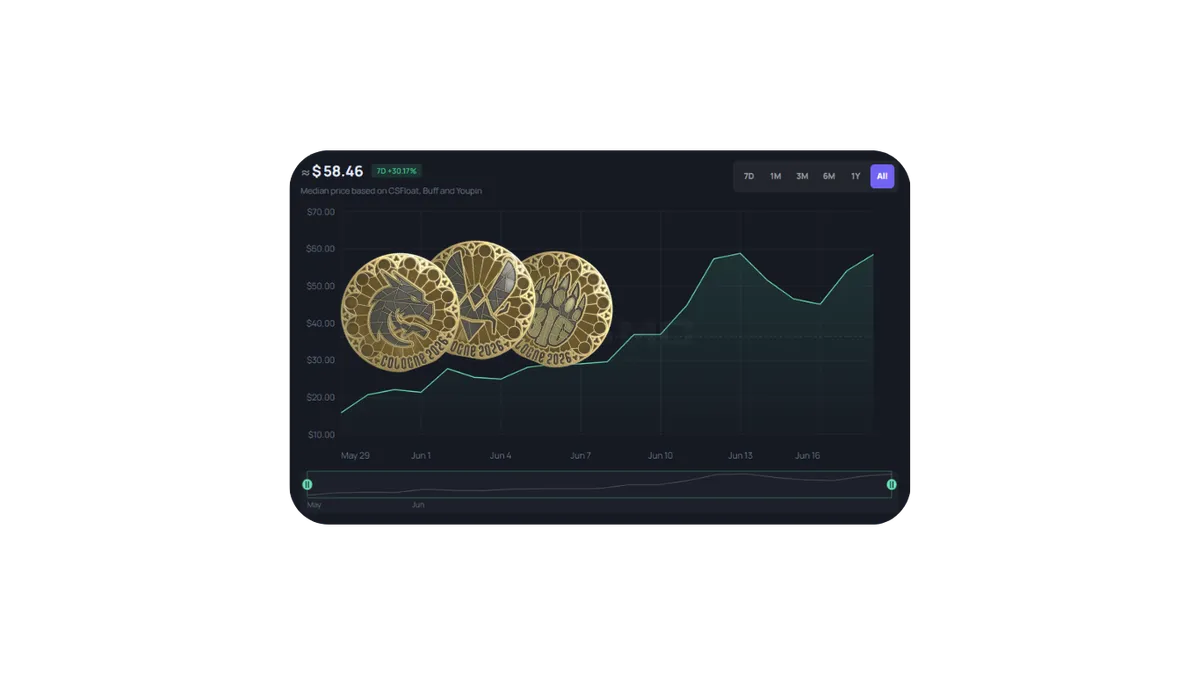
Valve's transition from sticker capsules to a token-based purchase system has fundamentally changed sticker investing. Unlike previous Majors, sticker prices are now influenced much more directly by player demand. When investors begin aggressively buying a particular sticker, prices can rise quickly. As charts turn green, attention grows, social media discussions increase, and FOMO starts doing the rest of the work. Not every sticker rally is manipulation. Sometimes demand is completely genuine. But when price movement is driven primarily by hype rather than actual market activity, traders should proceed carefully.
Float and Pattern Speculation
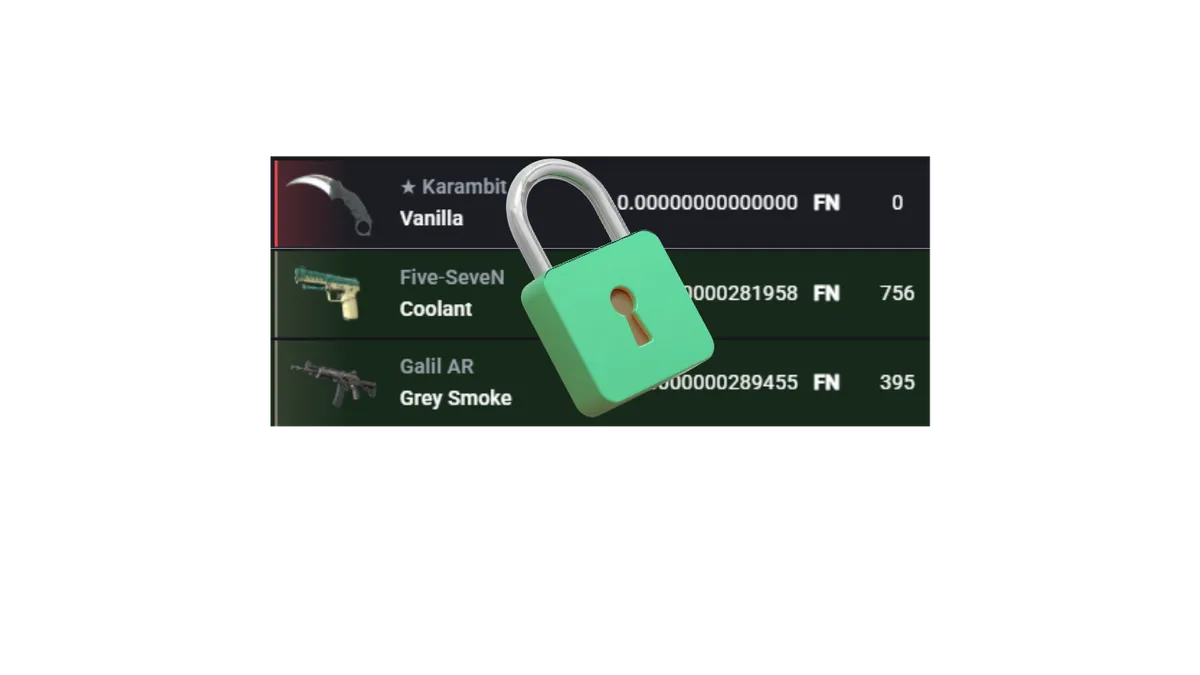
Some of the biggest price swings happen in markets where value is difficult to define. Low-float skins, rare patterns, and collector-grade items often have no universally accepted market price. Owners of extremely rare examples can intentionally hold inventory off the market or list items at extremely high prices, creating a new perceived floor for an entire category and at the same time, attention from collectors, content creators, or large traders can rapidly increase demand for specific patterns such as Blue Gems or exceptionally rare float values. Sometimes the story behind an item starts driving the price more than the item itself.
Using Major Events as Catalysts
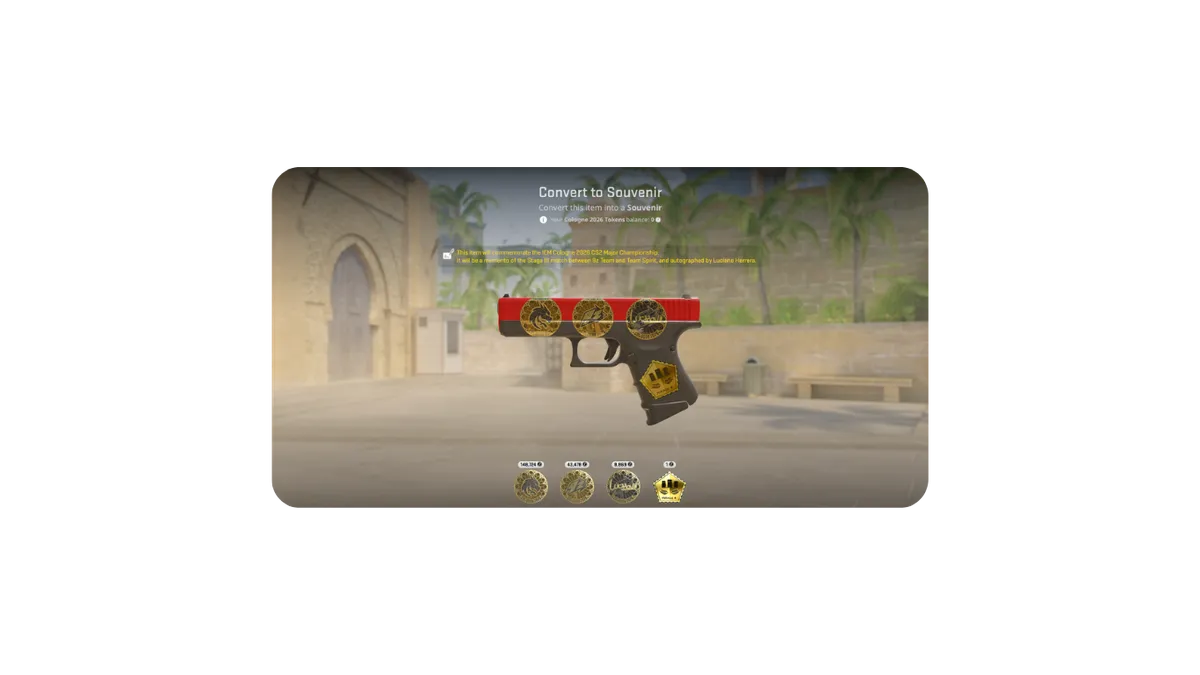
Large tournaments, Major Championships, and Valve updates create some of the most volatile periods in the CS2 economy. Market participants react quickly to new information, but these moments also create opportunities for manipulation. A single update can become the foundation for dozens of speculative narratives:
"This collection is getting removed."
"These souvenirs will become impossible to obtain."
"Pros are secretly investing in this item."
"This is the next big investment."
Sometimes those predictions turn out to be correct. Many times they don't. But the challenge is separating real market signals from stories designed to attract buyers.
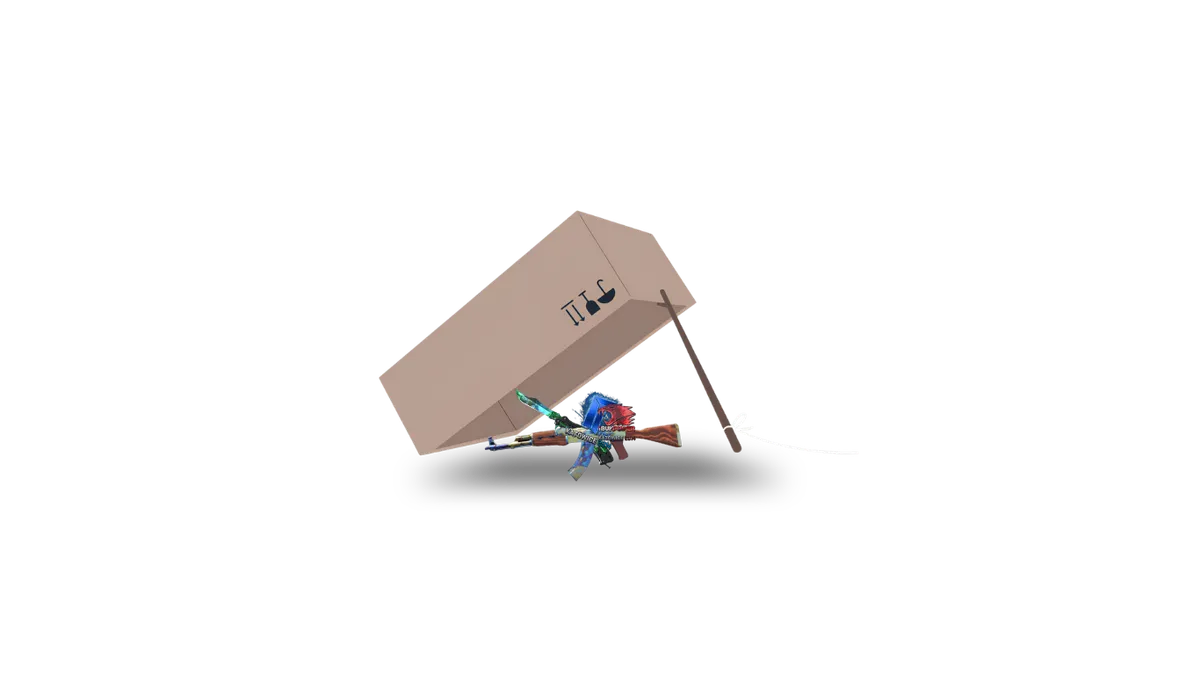
How not to be a mouse in a mousetrap...?
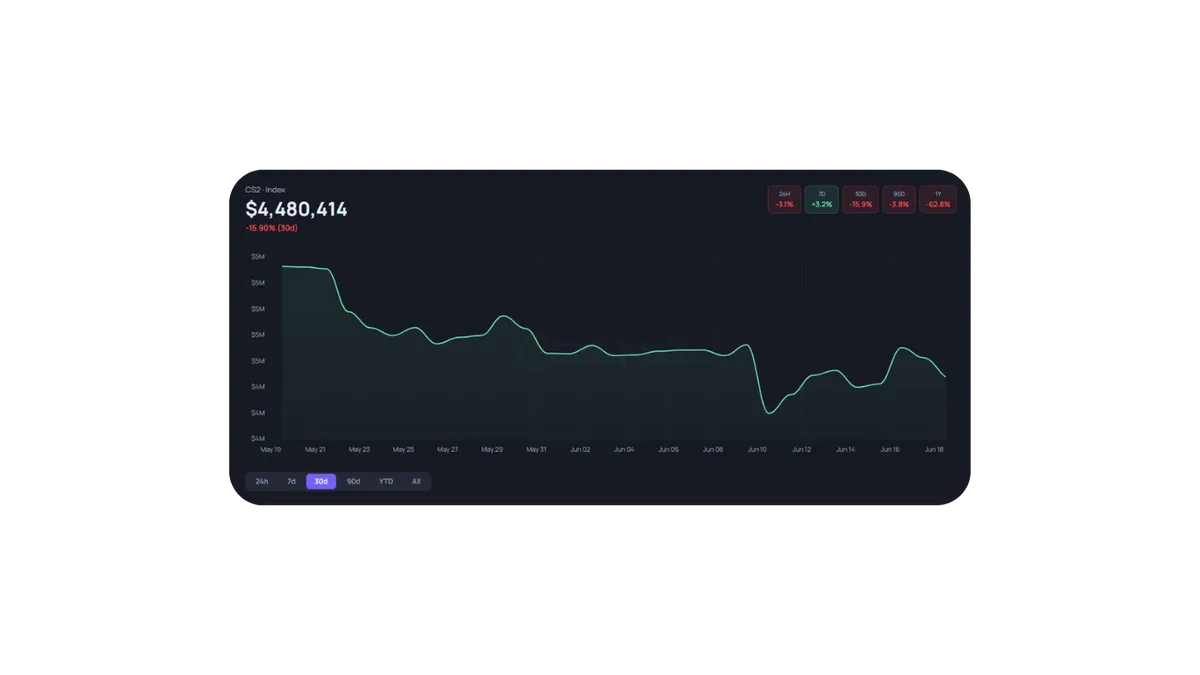
The easiest way to avoid getting caught in a manipulated move is to look at the data instead of the hype.
Before buying any item, ask yourself:
Is trading volume actually increasing?
Has supply genuinely decreased?
Are prices rising across multiple marketplaces?
Is there a real catalyst behind the move?
Would I still buy this item if nobody was talking about it today?
Using csmarketcap indicators can also provide important context. If a specific knife suddenly jumps 20% while the broader knife market remains flat, that move deserves closer examination. The same principle applies to stickers, cases, agents, and other categories. Comparing prices across multiple marketplaces, tracking liquidity, and analyzing category-wide trends often reveals a very different picture than social media discussions.
Final Thoughts
Market manipulation is not unique to CS2. It exists in stocks, cryptocurrencies, collectibles, and virtually every speculative market. The goal is not to predict every price move, but to understand what actually causes it. Most bad investments in CS2 happen for the same reason: people buy after the move has already happened. The traders who consistently outperform the market usually focus on liquidity, supply, trading volume, and long-term trends instead of chasing every green candle. In the CS2 market, understanding why a price is moving is often more important than the movement itself.